Balance is one of the main principles in art just like;
Movement
Rhythm
Emphasis
Pattern
Variety
Unity
Balance is about the elements and how they go together through composition and visual weight.
Balance balance can be judged by gravity if it’s 3D. If you can see the surface the object or sculpture is placed On it has a difference scene of balance than if the subject looks like it’s going to fall over.
In 3D balance is measured is measured by gravity.In 2D balance is measured by visual weight and composition.
Artists use balance in their work as it makes the viewer feel comfortable and it is pleasing to the eye. When a piece is unbalanced it makes the art look uneasy and maybe unsettling.
There are three types of balance in art
Symmetrical
Asymmetrical
Radial
Symmetrical
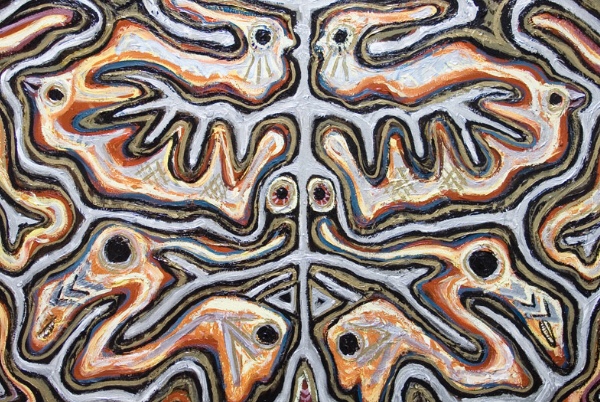
Symmetrical balance is when both sides of the art are equal to one another. You should be able to cut through the drawing down the centre and both sides should be the same. Symmetrical art creates a sense of order, stability and formality.
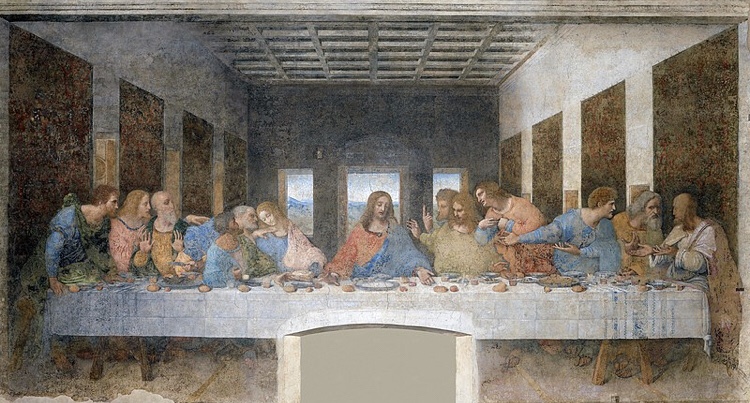
The “last supper” by Leonardo de Vinci is one of the most famous examples of symmetrical balance in art.
De Vinci uses composition and liner perspective to stress the importance of the the middle figure “Jesus”. There is a same amount of people on either side of the table and the same shapes on the walls and ceiling which makes the painting symmetrical and and almost quite geometric.
Radial
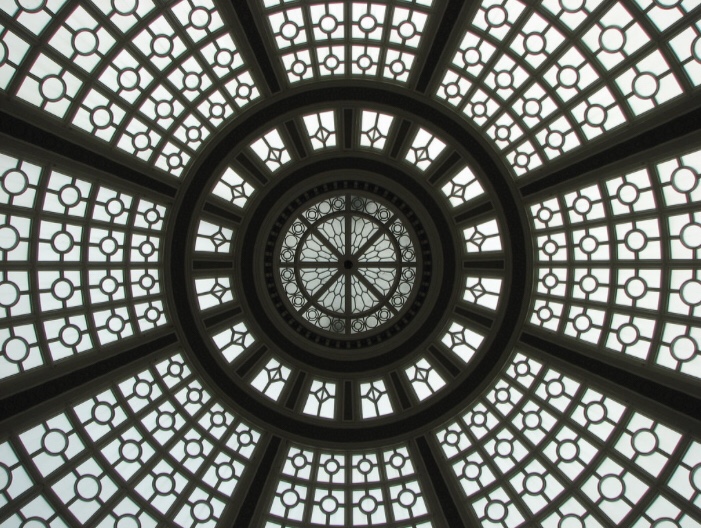
Radial symmetry is Whalen the elements are arranged equally around a circle or centre point. There is always a centre point like a pin wheel. Radial symmetry is often seen in mandalas.
Asymmetrical
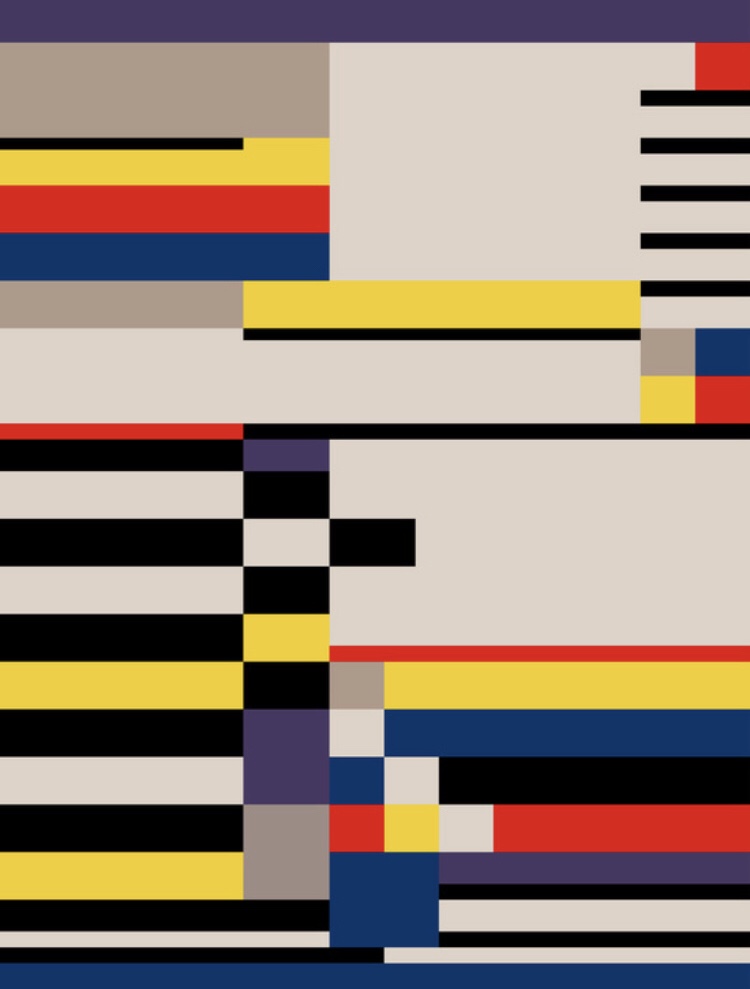
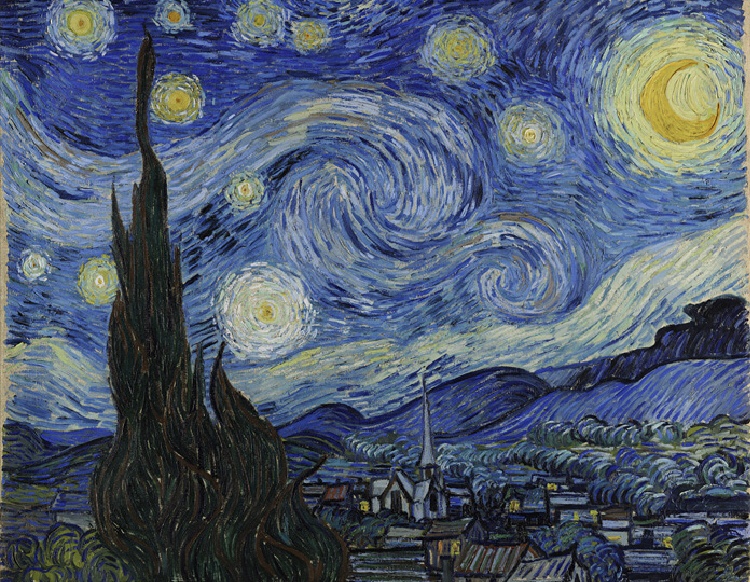
asymmetrical balance is when the two sides or the picture aren’t equal. Shape and negative space is unevenly speed out over the picture.
Asymmetrical paintings are less formal and more dynamic so take more planning. One famous asymmetrical painting is Van Goh’s “starring night”
 maxinesnowden